Who we are
Brandon Zunin, project leader
B.S. Engineering, B.A. Applied Philosophy in Human Factors, FAA Commercial Pilot SEL, USCG Master 100 ton Ships Captain
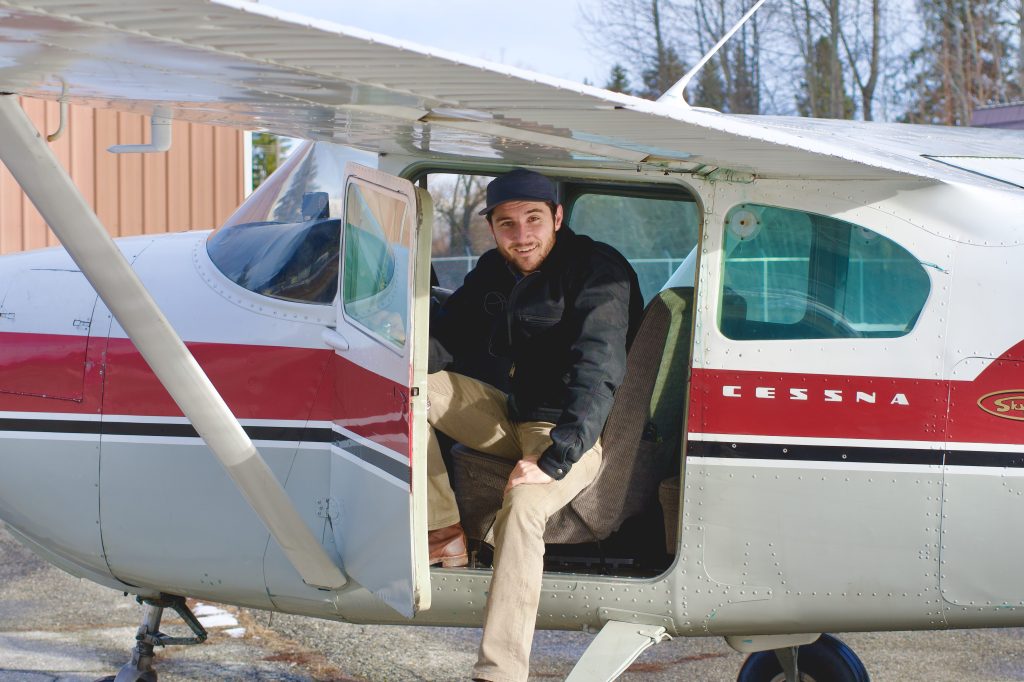
Brandon is dedicated to developing new perspectives on the important phenomena that surround us.
He seeks to step beyond the mundane and cut through confusion, misconceptions, and prejudice to see the nature of things. He formed the Altitude Project to help more people see the familiar anew and develop their own, richer insights, all in pursuit of relating to ourselves, each other, and the world more fully and sustainably.
As an explorer and leader, he has helped to facilitate many successful expeditions, including cross-country aid flights, various sea voyages including one halfway across the pacific from California to Hawai’i, medical missions throughout Asia, and much more. He is also a member of the Polynesian Voyaging Society and was documentarian on multiple legs of their four-year worldwide voyage, supported in part by National Geographic.
Brandon is an observer and commentator on the interplay between the environment (both built and unbuilt) and human thought and behavior. His published work spans peer reviewed articles, book chapters and news articles.
As an engineer, he is dedicated to the pursuit of appropriate technologies as demonstrated by his work on breakthrough biomedical devices for developing regions. This work has included collaborations with the George Institute for Global Health in Australia and the XPRIZE Next-Gen Global Mask Challenge, in which he was a finalist. In the United States, he is involved in long-term sustainable development projects, offering both technical and conceptual support to equitably prioritize the wellbeing of humans and the environment they inhabit.
As Special Assistant to the Governor of the State of Hawai’i and In-House Engineer in the Governor’s Office, Brandon has worked as a translator between the technical and the conceptual. In these roles he served to illuminate the intricacies of local challenges and their potential solutions, while at the same time helping public and private-sector solution builders and other stakeholders skillfully direct their efforts.
Brandon has been fortunate to encounter a long string of generous mentors and supporters who have facilitated his explorations around the world via land, sea and air. For him, the Altitude Project is about paying forward this good fortune, not by explaining what he has seen, but by showing others what’s out there and encouraging them to draw their own conclusions.
Jeremy Polk
Media Producer, Flight Instructor, Visual Artist
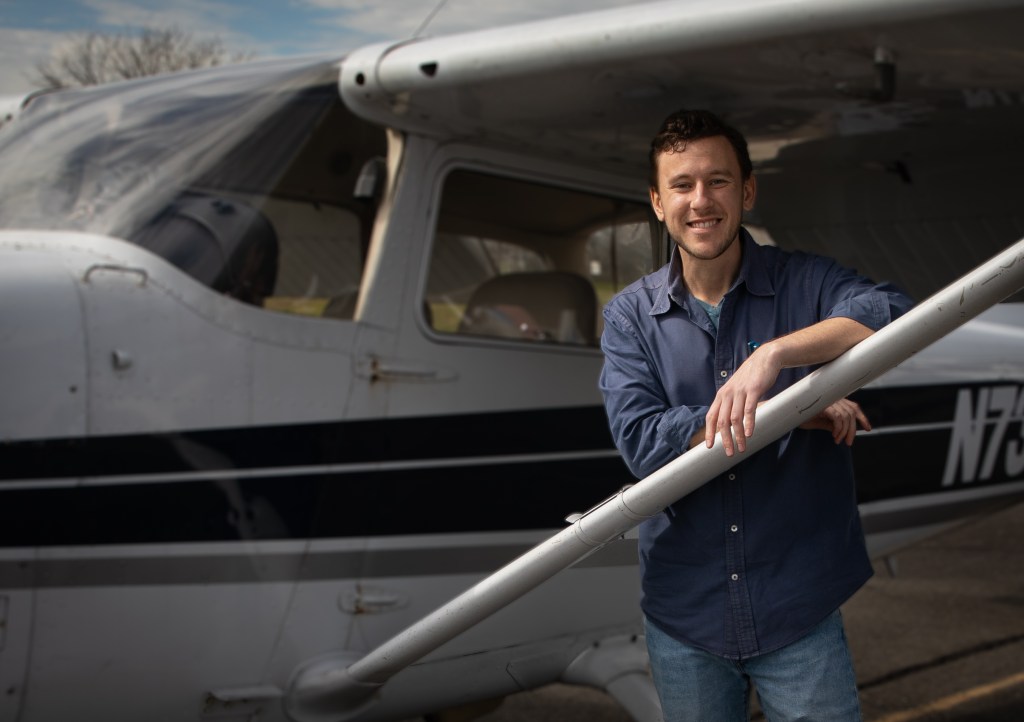
Jeremy Polk is a media professional, artist, and educator. He has documented ice core research for the National Science Foundation, served as an education fellow at the Taktse International School in Sikkim, India, and shared his interest in visual arts as a summer photography teacher outside of Philadelphia, PA. His work has earned the Antarctica Service Medal of the United States and the Aero Club of Pennsylvania’s Bob Mills Award. He currently manages facilities built for photo production, video editing, and print design at Swarthmore College.
Jeremy first encountered professional media in 2009 as a counselor with NOAA’s Ocean for Life, a month-long program for high school students dedicated to intercultural connection and ocean science. It was there he had the opportunity to sit in on National Geographic Photo Camps taught by two seasoned Explorers.
Supported in part by the kindness, thoughtfulness, and generosity of numerous mentors in filmmaking, education, and aviation, Jeremy has been fortunate to explore all seven continents. His professional mission is to enable the same for anyone else with a passion for exploration, an interest in media literacy, and a desire to learn. For him, the Altitude Project presents an opportunity to merge interests in meaningful ways: to practice crafting narratives rather than simply taking pictures, to improve aerial photography and editing techniques, to encourage others to see from new perspectives, and, through these things, to become a more competent teacher.
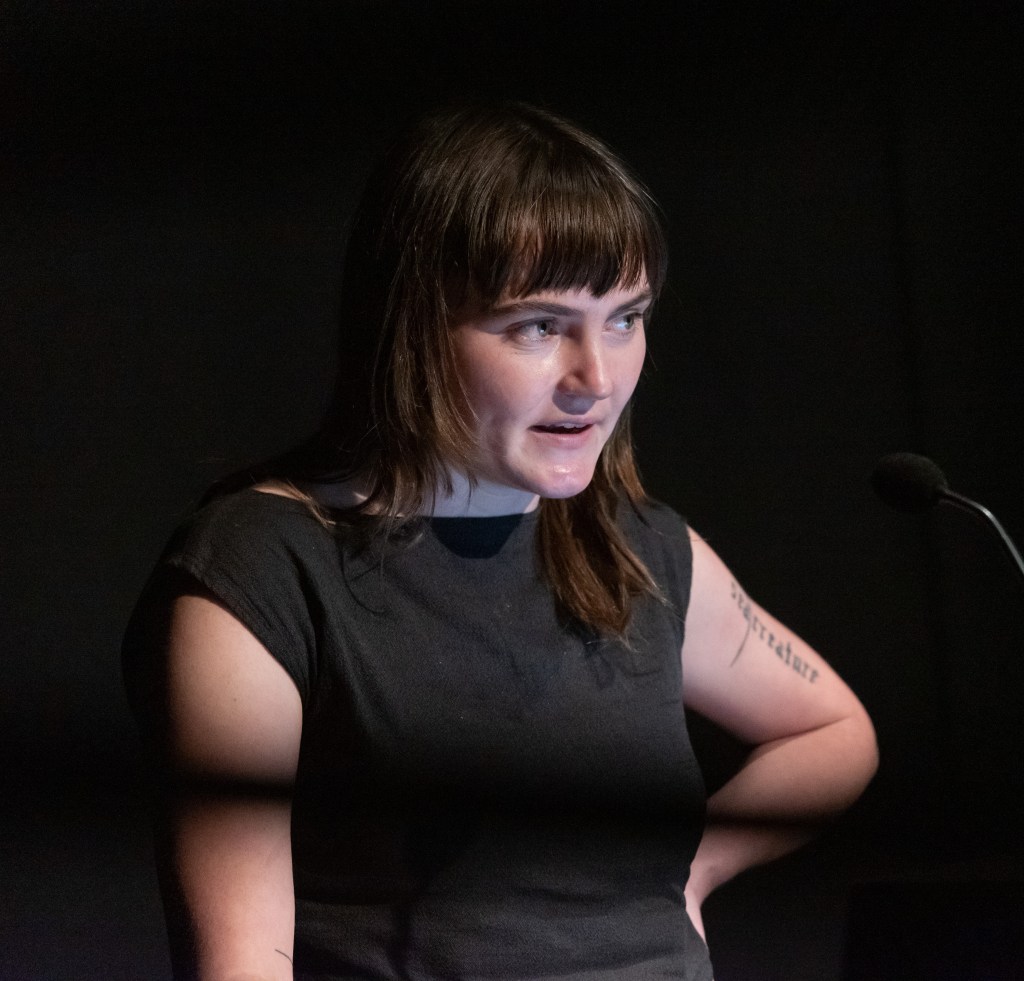
Miri Powell is a student of the material world. As a researcher and writer focusing on environment, infrastructure, and technology, she is interested in the unmaking and remaking of worlds that attends pursuits of better futures and the unanticipated contingencies that comprise our shared past. She has assisted on projects that addressed themes ranging from air-rights sales in New York City to local governments responses to California’s wildfire crisis. Her own work has explored hydropower dams and datacenters, undersea telegraph cables, and potential histories of the Great Pacific Garbage Patch.
As a sometimes carpenter and occasional art-maker, she is curious to get to know materials by working with them and to explore our world by crafting artifacts of the present.
Across these endeavors, Miri is sensitive to the depth gained by looking at things from multiple perspectives. As a part of The Altitude Project, Miri is grateful to work alongside collaborators with such varied experiences, whose unique visions form a kind of composite lens through which to understand complexities of our contemporary landscape.
These days, Miri thinks a lot about toxicity, remoteness, and remediation—and where and why these conditions and processes manifest. Currently, she is a PhD candidate in History at Stanford University where she is researching the chemical foundations of technology industries in and beyond Silicon Valley.
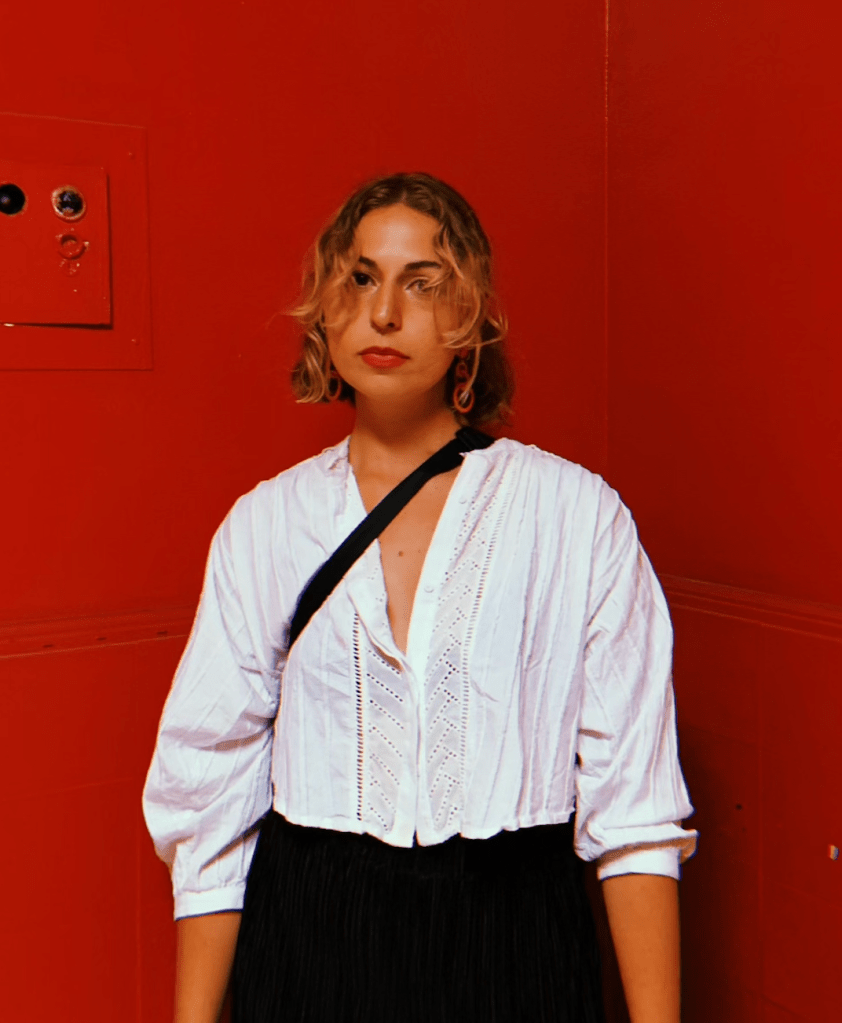
Libby Hoffenberg is a multidisciplinary artist and writer. Grounded in painting as practice and idea, she explores and celebrates the visible world by inquiring into its conceptual dimensions. Her work seeks to surface intimate interconnections between how we see, how we think, and how we live, and thereby propose new strategies for dwelling in the world with rigor and wonder.
Libby earned B.A. degrees in Studio Art and the History and Philosophy of Science, Technology, and Medicine from Swarthmore College. She continues to work at the intersection of art, philosophy, and technology in her own interdisciplinary work and in collaboration with technologists and researchers. She is interested in the way that technologies make the world visible and tangible in new ways, and uses the mediums of art and art history to investigate potentialities of the seeable. In her paintings, she migrates the visual languages of science and digital design into painted worlds, using painting’s material vocabulary to consider relationships between these knowledges and everyday visible reality.
Her creative research projects collide disciplines in unexpected ways through this pivotal theme of perspective. Topics have included printmaking processes in semiconductor manufacture, the history of linear perspective and satellite imagery, and surrealist painting as a documentary tool for landscape. Central to these projects is the connection between embodiment and perspective: the notion that it is only in moving the body through space that worlds come into focus. This idea fuels her excitement for the Altitude Project as an opportunity to see from the air.
She is completing a two-year Certificate in Art and Curatorial Practice with the New Centre for Research and Practice, and will begin her MFA studies at the Glasgow School of Art in Fall 2024. Libby’s work can be found at libbyjennifer.com
Andrew Huynh grew up in San Diego. He earned his B.A. from Swarthmore College with a major in physics and a minor in chemistry. He is currently a clinical researcher at UC San Diego and working towards medical school.
Most of Andrew’s free time that is not spent in the air is spent in the sea enjoying surfing, spearfishing, and lobster diving. His time in the water has deeply ingrained in him an appreciation for our rich marine ecosystems. At the same time, he is dismayed at witnessing the undeniable impacts of human activity that most people never see. While it is relatively easy to understand that climate change increases ocean temperatures, it is more powerful to witness first-hand kelp forests diminish and the species disappear. Through flying, which ironically increases distance from the water, Andrew has developed an even more intimate relationship with the ocean: from the impressive expanse of California’s rocky reefs to the harmful bacterial blooms caused by untreated sewage.
Andrew joined the Altitude Project in the hope of raising awareness of our impact on the environment–beyond just numbers. Aviation is undeniably a privilege. For Andrew, acting on that privilege means using it for the common good–the founding ethos of the Altitude Project. Through his experience in various community clinical settings, he has seen physicians contribute to the common good by helping individuals overcome barriers to receiving healthcare. Similarly, the Altitude Project can leverage the grand perspective that aerial photography provides and empower people in communities to tell their stories and demand changes to improve their environment and health.


 The Altitude Project